

The history and craftsmanship of the Japanese Katana is extraordinary. In this post I will give a guide on how to find where your sword was made.
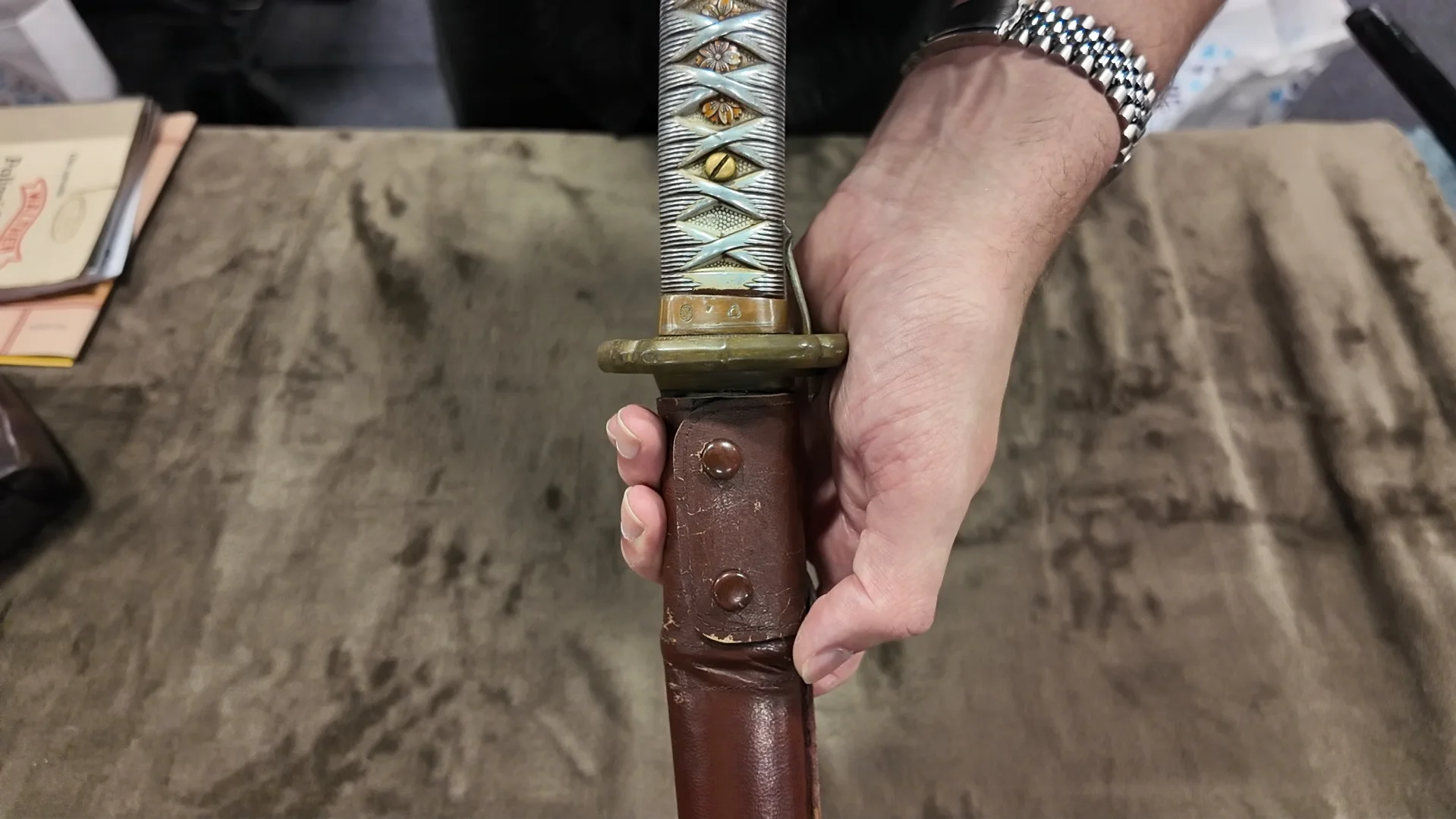
Table of Contents
- Type 95 or type 98?
- Type 95
- Type 98
- Production factories for the type 95
- Proof marks of the type 95
- Arsenal stamps
- Production of the Type 98
- Repro vs Original
- Youtube video
Every part of the Japanese sword has a specific name in Japanese. for simplification purposes i will not name all parts in their respective Japanese name. This post is about identifying which factory made your sword.
Type 95 or type 98?
Japanese swords have been unchanged for about a thousand years. Untill in the late 1800s and early 1900s when the Japanese sword doctrine was “modernised” to a more western style of sword. The type 32 is a great example of this.
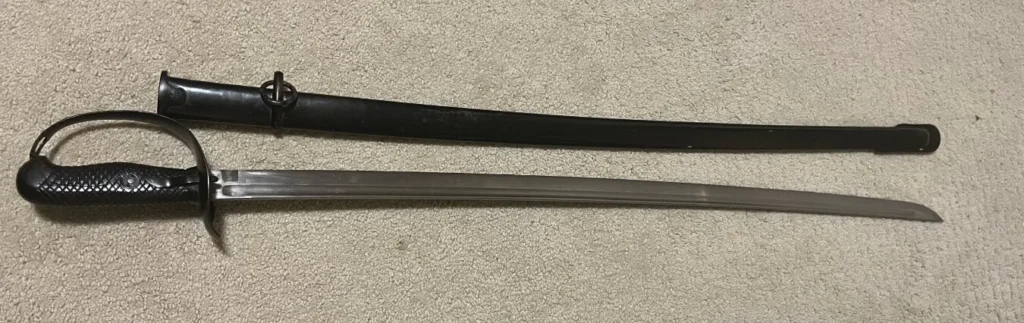
Type 32 japanese sword (photo credit nihonto board)
Type 95
Around the late 1920s the Japanese decided to change back to a more traditional style of sword out of a feeling of nationalism and culture preservation. This was ofcourse the Katana style sword. Many type 32 swords were convverted to type 95 swords. The type 95 is a non-traditionally made sword with copper/ aluminium casted handle and machined blade with many different makers. The Japanese wanted every NCO to have a type 95 sword as a symbol of rank and tradition.
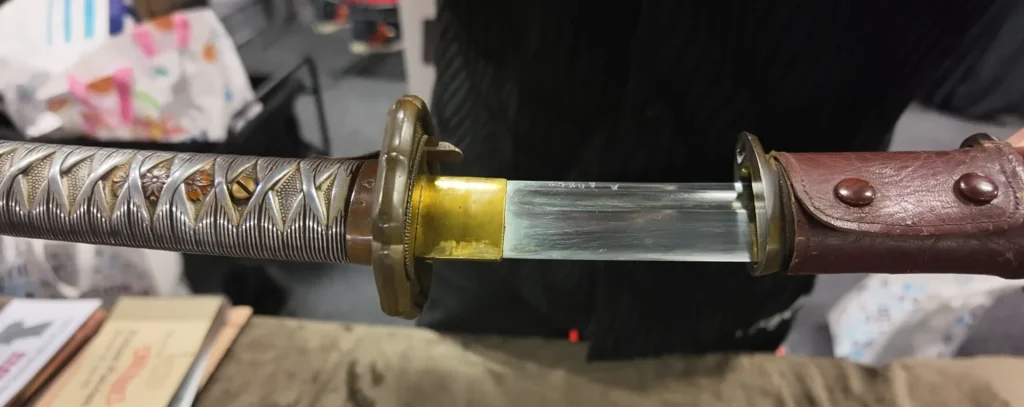
Type 95 Shin Gunto; 2nd model
Type 98
For higher ranks, the Japanese had the type 98 sword. This is a much higher quality sword which was semi traditionally made. It had much nicer fittings and a handle with Ito wrap instead of simply a casted handle. The blade had a traditional geometry and usually also a Hamon, the hardening line on the edge.
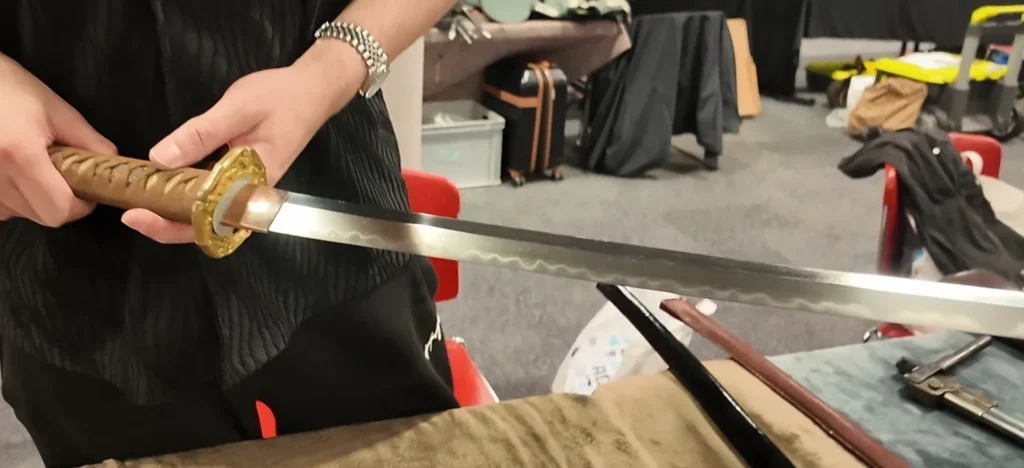
Type 98 Shin Gunto
The Japanese needed many Type 95 swords for all the NCO’s in the army. This sword model was mass produced in the 100s of thousands. This means they are not all that rare to find, but also that there are many different factories who made them.
There are 4 main variations of the type 95 with additional small differences between models. The 4 main different types of swords have the following configurations:
1st. copper handle, thick brass tsuba
2nd. aluminium handle, thin brass tsuba
3rd. aluminium handle, iron circle tsuba
4th. wood handle, iron circle tsuba
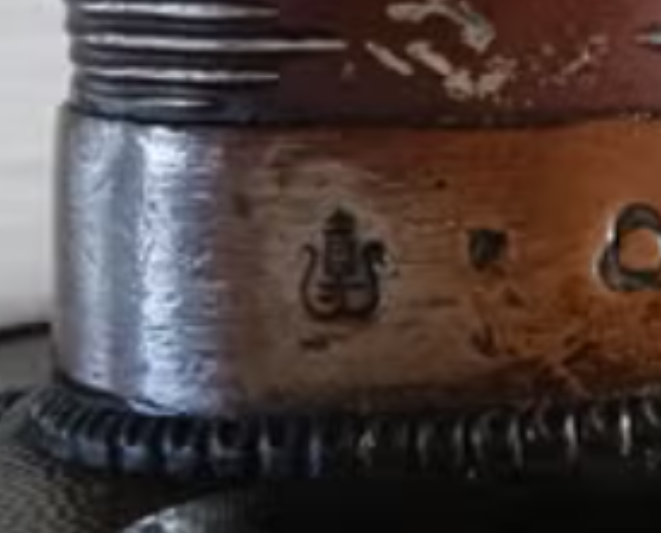
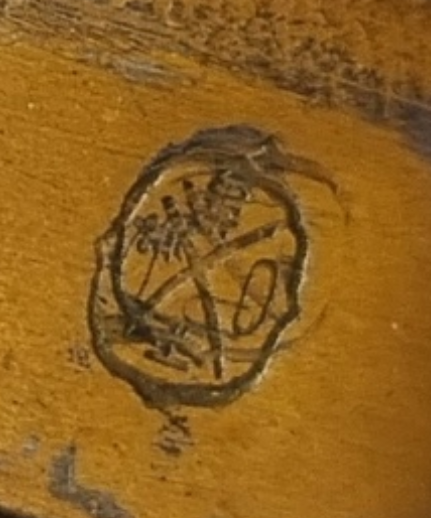
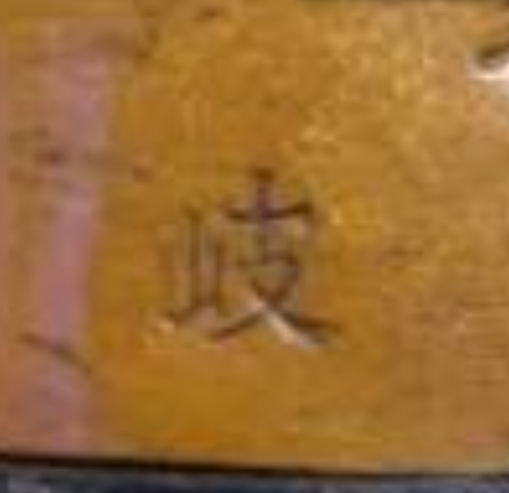
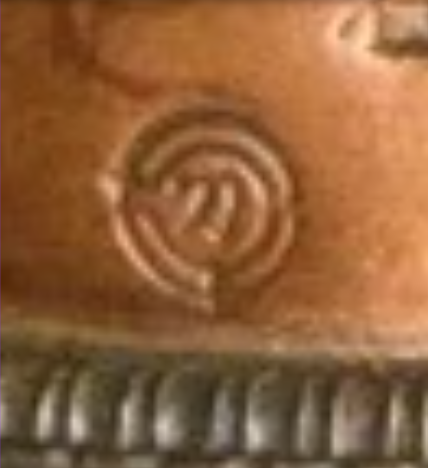
The type 95 swords had 3 markings on the ring above the handle. The symbols are read from left to right with the blade towards you. In order the markings mean: 1. Production factory, 2. proof mark, 3. arsenal mark.
1. Production factories for the type 95
According to my research there existed 7 factories that made type 95 swords, 6 main factories and 1 more rare maker. In no particular order these makers are:
1. Suya
2. Ijima
3. Gifu
4. Seki (Sword have been made in this city for centuries)
5. Kobe Seikō-sho (Kobe sword manufacturing operation)
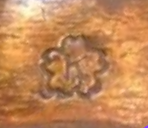
6. Sakura with a single horizontal line “一” (Ichi); Unidentified maker, but thought to be part of the Kobe forge because of the very similiar stamp style
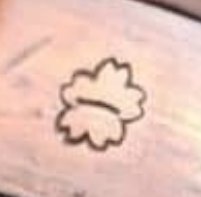
7. Mizuno: So rare i could not find markings, only documentation. This maker was operational in sword production for only a few months in 1942 and did not make many swords at all. In the image below of an advertisement from this manufacturer from 1941, the full company name and sword making origin can be read in Japanese.
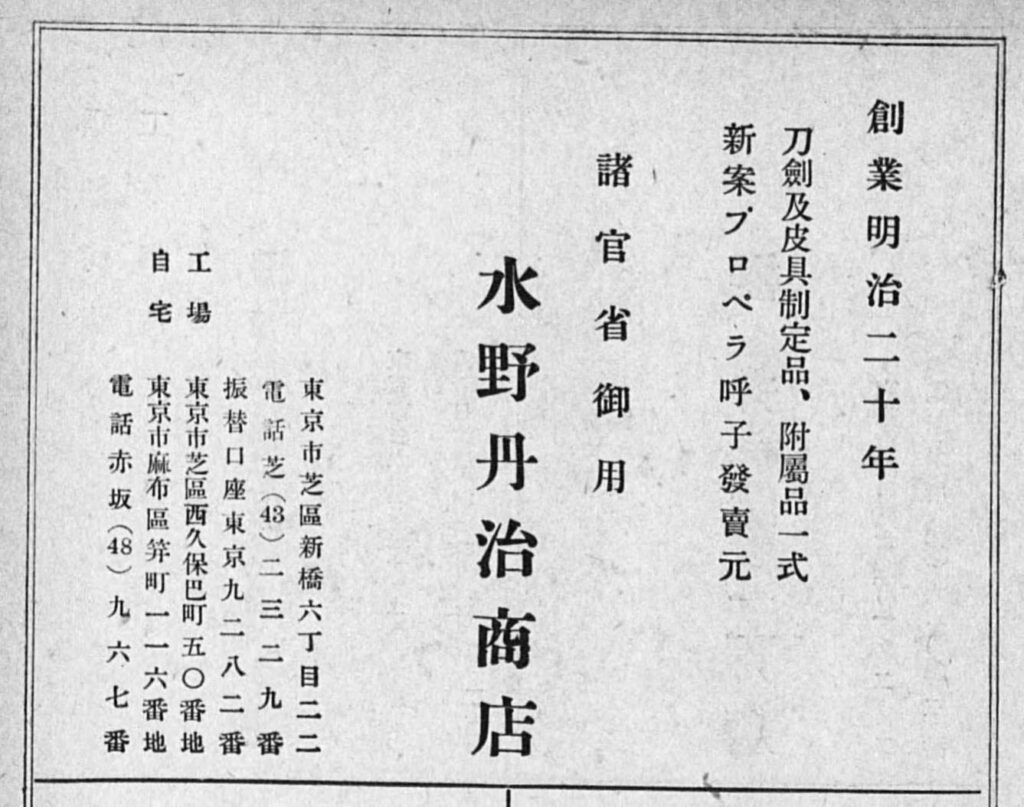
1941 advertisement for Mizuno sword maker
2. Proof marks of the type 95
1. Tokyo
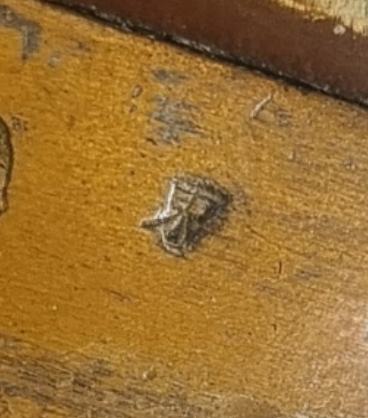
2. Nagoya
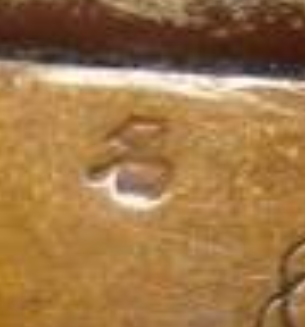
3. Seki: The Seki stamp is found on the latest variation wood handle, iron tsuba swords. The stamps are hard to see and i could not find a proper picture of it.
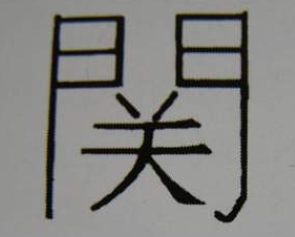
(photocredit nihonto board)
3. Arsenal stamps
1. Kokura
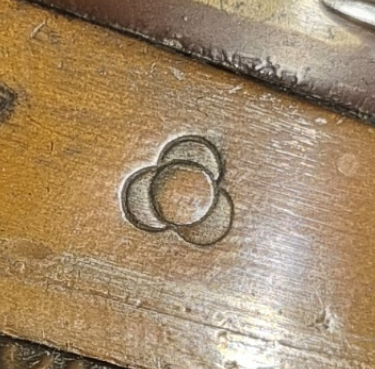
2. Tokyo
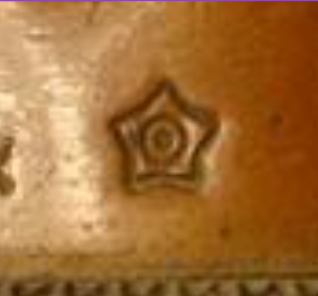
3. Nagoya (commonly found on wood handle, iron tsuba swords)
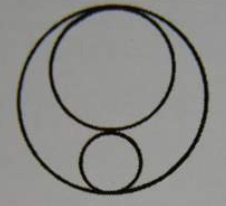
(photo credit Nihonto board)
Production of the Type 98
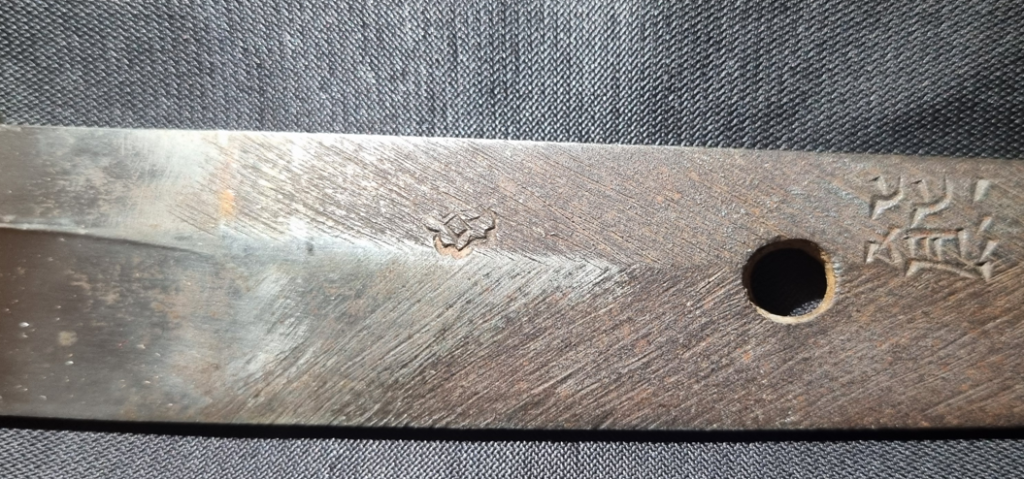
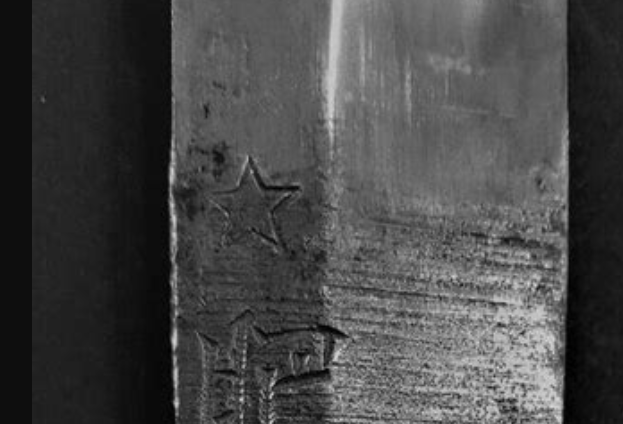
The type 98 sword was made by individual sword smiths in a traditional or semi-traditional way. The overall quality was much higher then the type 95 sword and was meant to be worn by ranking officers. There were small simplifications to this swords over the progression of the war, like simplified fittings and the change of steel scabbard to wood scabbard near the end of the war. Again there were many sword makers but they can only be identified by removing the handle from the blade. The sword makers signature will be on the tang of the blade. The modern made Type 98 sword had a proof mark on the tang as well.
1. Sakura-Shō stamp. This stamp means the sword was made semi-traditionally.
2. Star matk, This is the only sword type 98 made in a fully traditional way
3. No proof mark, This means the sword was retrofitted with wartime fittings but the blade is a family blade, potentially 100s of years old.
Repro vs Original
Repros are usually easily identifiable. The repros have been low quality. Below several bad repros can be seen.
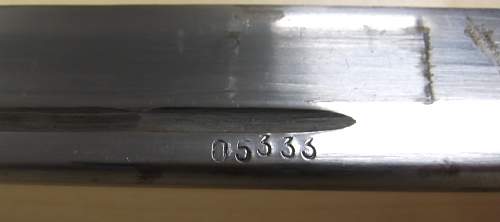
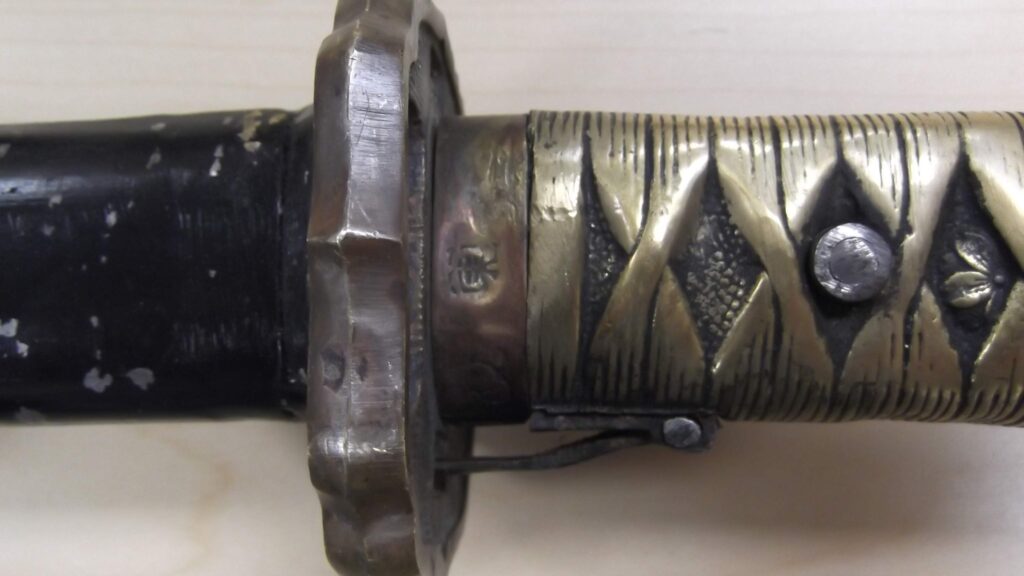
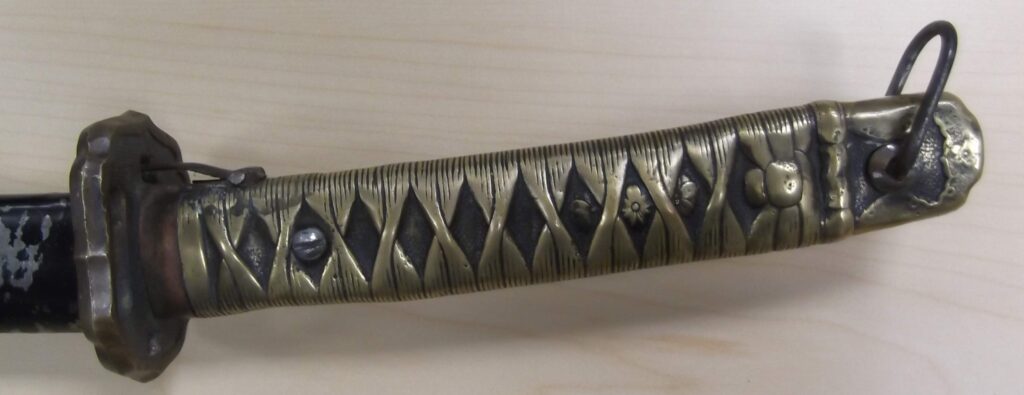
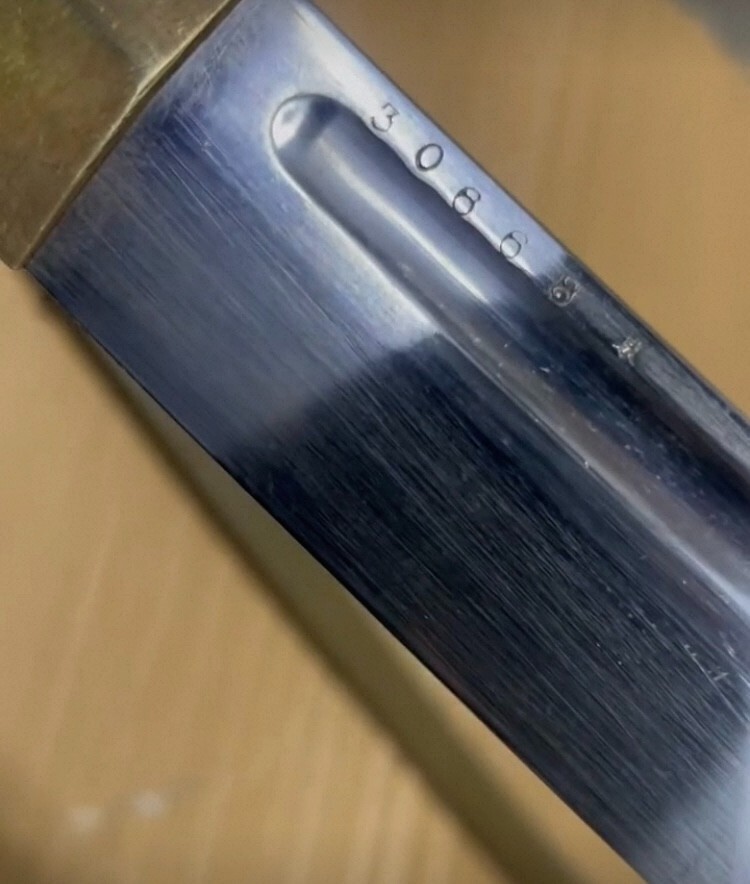
Very recently the reproduction factories have upgraded their production. The repros are now much better then the previous ones. Here is a repro sword that could fool a first time buyer or someone with limited knowledge.
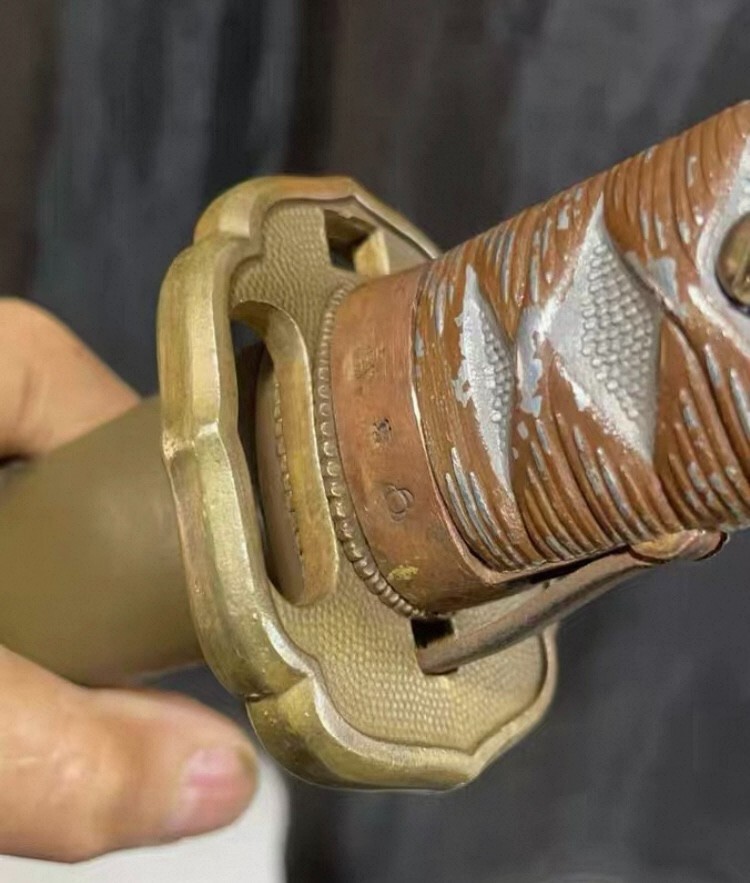
all repro photocredit nihonto board
Apart from recent reproductions, the fakes are very easily identifiable and would not fool anyone with some knowledge of swords. If you want to verify if your sword is original, please dont hesitate to message me and i will take a look at it for you.
Below my video on these swords can be watched on youtube.
Youtube video
👉 What maker is your Shin Gunto sward?
Let me know in the comments below—I’d love to hear from you!
Thanks for reading—hope you found it interesting and maybe learned something new!
Subscribe to my newsletter to get weekly militaria emails—straight to your inbox!